Source Wooden Heart Music Box with Mirror Mechanism for Gifts, Decor, and Events
Explore 30 listings for the Wooden Heart Music Box with Mirror Mechanism, featuring options with removable dividers, hand-cranked play power, and various shapes like square or heart. Buyers can compare specifications including size, material, and customization services from suppliers in China.
Key considerations
Products List


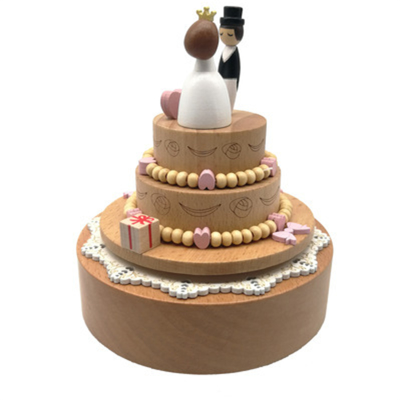
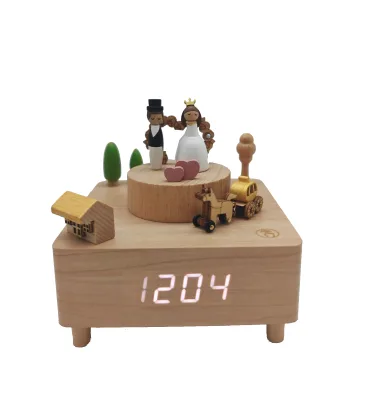
Hot-selling Wooden Music Box with Time Display - Ideal Valentine's Day Gift
$11.17 - $11.66
MOQ: 12 pieces
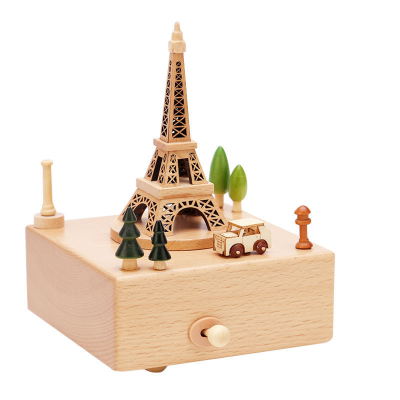
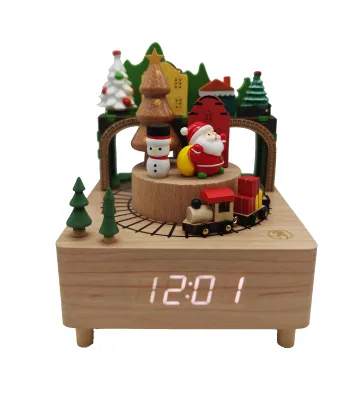
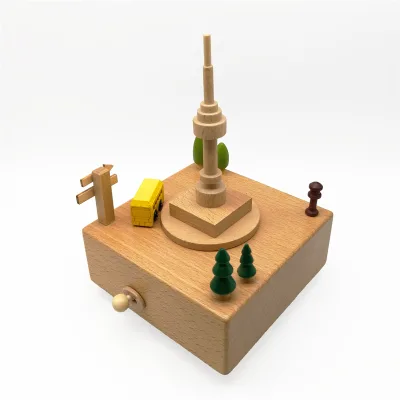
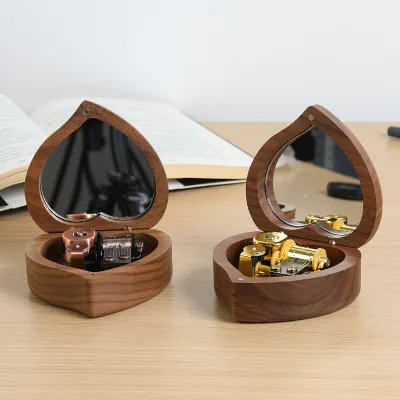
DIY Carved Love-shaped Mirror Music Box Wooden Birthday and Christmas Gift
$9.66 - $12.17
MOQ: 44 Minimum
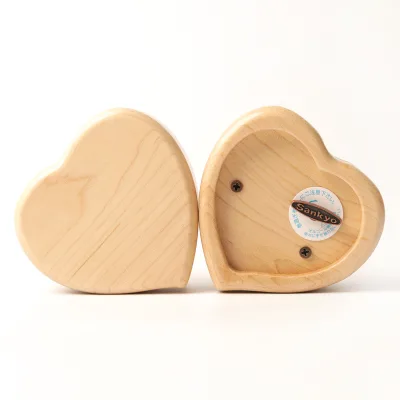
Diy Engraving Love-shaped Mirror Music Box Wooden Heart-shaped Musical Box
$9.32 - $11.74
MOQ: 44 Minimum

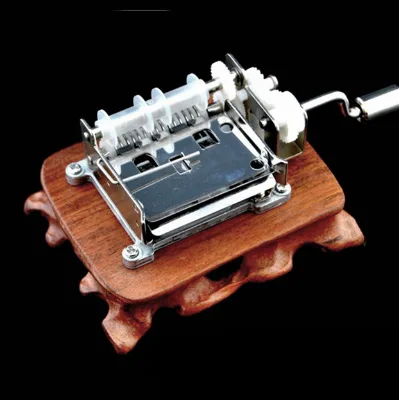
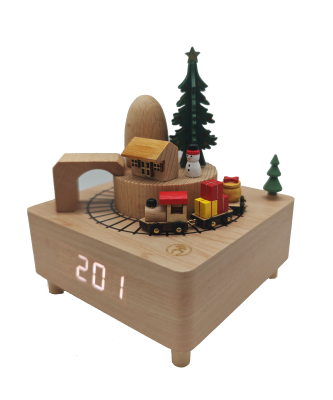
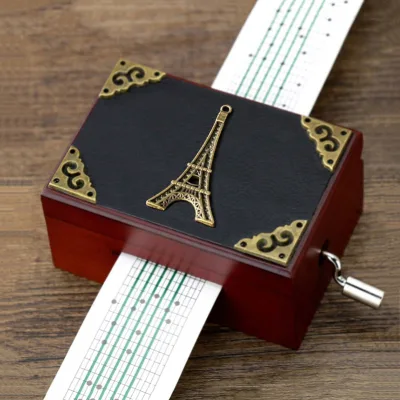
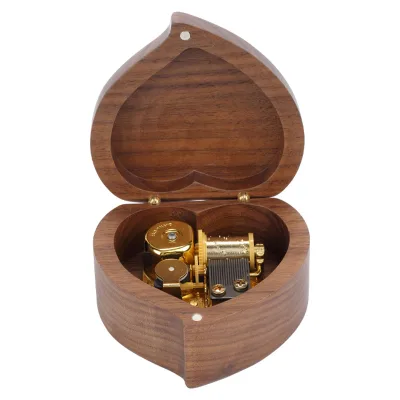


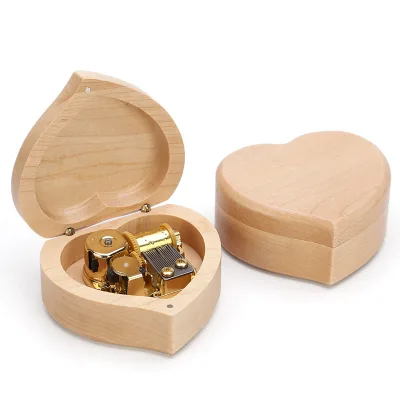
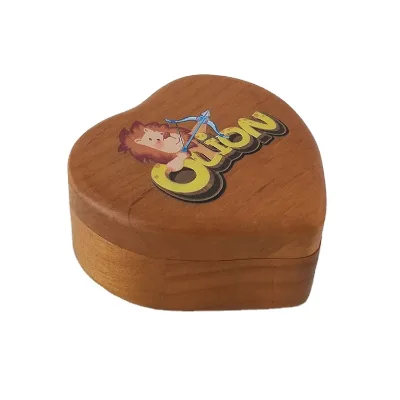
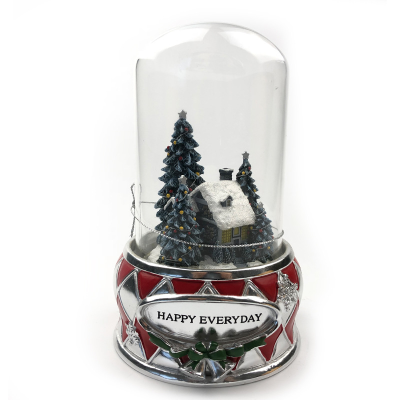
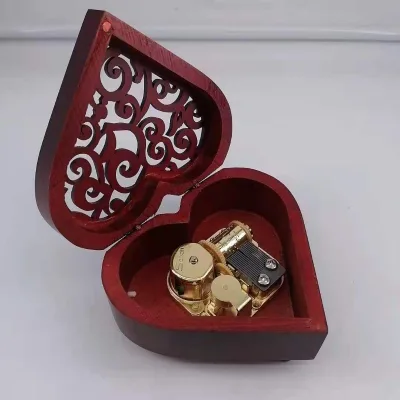
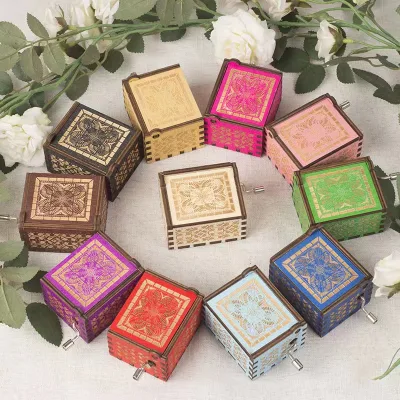
Wooden Custom Song Music Boxes Animated Music Box Mechanical Wholesale Music Boxes
$1.20 - $1.58
MOQ: 100 pieces
Comprehensive Sourcing Guide
Wooden Heart Music Box with Mirror Mechanism Sourcing Guide
Sourcing wooden heart music boxes with mirror mechanisms requires a nuanced understanding of both the mechanical complexity and the aesthetic expectations of the target market. These items sit at the intersection of traditional craftsmanship and modern decorative design, often serving as premium gifts, wedding favors, or boutique home decor. The "mirror mechanism" typically refers to a reflective surface integrated into the lid or a specific internal component that enhances the visual appeal when the box is opened, adding a layer of sophistication beyond standard wooden music boxes. Buyers must recognize that this specific feature introduces additional manufacturing tolerances, as the mirror must be securely attached without compromising the structural integrity of the wooden casing or the smooth operation of the music cylinder.
The procurement process for these items is heavily influenced by the customization capabilities of the supplier. As observed in current market listings, many manufacturers offer extensive customization options, including shape variations, surface treatments, and branding. The presence of removable dividers in some listings suggests that these boxes may also serve functional storage purposes, blurring the line between a pure decorative item and a practical accessory. Buyers should prioritize suppliers who demonstrate a clear capability for Original Design Manufacturing (ODM) and Original Equipment Manufacturing (OEM), as this ensures the ability to tailor the mirror mechanism and wooden finish to specific brand identities or retail requirements.
Product Scope and Observed Listing Signals
The current market landscape for wooden heart music boxes reveals a diverse range of product attributes that buyers must navigate carefully. Observed listings indicate a wide variety of materials, with wood being the primary choice for the core structure, though some entries mention paper components, likely for internal packaging or specific decorative inlays. The shape is predominantly heart-shaped, aligning with the core keyword, but other shapes such as square and other unspecified forms are also available. This variability suggests that buyers should not assume all suppliers offer the exact heart shape with a mirror; rather, they must explicitly verify the geometry and the presence of the reflective element during the initial inquiry phase.
Price and minimum order quantity (MOQ) signals provide critical insights into the scalability of the supply chain. The observed price range of 1-35 USD indicates a broad spectrum of quality tiers, from basic promotional items to high-end artisanal pieces. MOQs vary significantly, with some suppliers requiring as few as one piece for sampling, while others mandate orders of 300 to 1000 pieces for production runs. This disparity highlights the importance of aligning order volume with supplier capabilities. Buyers seeking small batches for testing market response should look for suppliers with low MOQs, while those planning large-scale retail distribution should focus on manufacturers who can handle high-volume production with consistent quality control, often indicated by standardized packing methods like bubble bags or OPP bags.
Technical Specifications to Verify
Verifying the technical specifications of the music box mechanism is paramount to ensuring customer satisfaction and product longevity. The sound mechanism is a critical component, with observed listings specifying tone counts such as 8-tone and 12-tone options. Buyers must determine the desired musical complexity for their target audience, as higher tone counts generally correlate with more complex melodies and potentially higher costs. Additionally, the power source is typically hand-cranked, which requires a robust crank handle and a smooth gear system. It is essential to verify the durability of the crank mechanism, as this is the most frequently used part and prone to wear if constructed with inferior materials or poor engineering.
Dimensional accuracy and material quality are equally important technical considerations. Standard dimensions observed in the market include sizes such as 22022086 mm, 170140133 mm, and 18711090 mm. Buyers must ensure that the chosen dimensions align with their packaging and shipping logistics, as well as the intended use case, whether for pocket-sized gifts or larger desktop decor. The surface treatment, often described as polished, affects both the tactile experience and the visual appeal. For a mirror-integrated design, the finish around the mirror area must be precise to avoid gaps or misalignments. Buyers should request detailed technical drawings or 3D models to verify the integration of the mirror component before committing to a production order.
Compliance and Safety Documentation
Compliance and safety documentation are non-negotiable for importing wooden music boxes, particularly those intended for children or sold in regulated markets. While specific test results are not provided in the general listing data, buyers must insist on certifications such as ISO 9001 and BV (Bureau Veritas) where applicable, as these indicate a supplier’s commitment to quality management systems. For products containing mirrors, safety is a dual concern: the wooden structure must be free of splinters and sharp edges, and the mirror itself must be securely fixed to prevent breakage and potential injury. Buyers should verify that the mirror is made of shatter-resistant material or is protected by a durable backing, especially if the product is marketed towards younger demographics.
Environmental and material safety standards are also critical, particularly given the use of wood and potential adhesives or finishes. Buyers should inquire about the source of the wood and whether it complies with forestry standards such as FSC (Forest Stewardship Council), which is increasingly important for eco-conscious consumers. Additionally, any paints, varnishes, or polishes used on the wooden surface should be non-toxic and compliant with regulations like REACH in Europe or CPSIA in the United States. Although specific chemical test reports are not listed, buyers must request these documents to ensure that the product does not contain harmful substances like lead or phthalates, which can be present in low-quality finishes or adhesives.
Cost Drivers and Commercial Terms
Understanding the cost drivers behind wooden heart music boxes with mirror mechanisms allows buyers to negotiate more effectively and forecast margins accurately. The primary cost drivers include the complexity of the music mechanism, the quality of the wood, and the precision required for the mirror integration. Hand-cranked mechanisms with higher tone counts are more expensive to produce due to the intricate gearing involved. Similarly, the use of high-grade wood and polished finishes adds to the material and labor costs. Buyers should also consider the cost of customization, such as logo engraving or custom packaging, which can significantly impact the unit price, especially for smaller order quantities.
Commercial terms, including lead times and payment conditions, play a crucial role in the procurement strategy. Observed lead times range from 7-10 days for samples to 30-35 days for bulk production, which buyers must factor into their inventory planning. It is advisable to establish clear communication channels with suppliers to monitor production progress and address any issues promptly. Payment terms should be negotiated to balance risk, with common practices including a deposit upon order confirmation and the balance paid before shipment. Buyers should also clarify the Incoterms, such as FOB or EXW, to understand who is responsible for shipping and insurance costs, as this can affect the total landed cost of the product.
Supplier Qualification and Quality Control
Supplier qualification is the foundation of a successful sourcing relationship, particularly for products with specific aesthetic and mechanical requirements. Buyers should conduct thorough due diligence on potential suppliers, verifying their business licenses, production capacity, and past performance. Suppliers offering ODM/OEM services are often more flexible and capable of meeting custom requirements, but buyers must assess their design capabilities and responsiveness. It is also beneficial to review the supplier’s portfolio for similar products, such as wooden music boxes with mirrors or other decorative items, to gauge their expertise and attention to detail.
Quality control measures must be rigorously enforced to ensure that the final product meets the agreed-upon standards. Buyers should implement a pre-production sample approval process, where the first unit is inspected for mechanical function, aesthetic quality, and dimensional accuracy. During mass production, random sampling inspections should be conducted to check for consistency in finish, mirror alignment, and sound quality. Suppliers with established quality management systems, such as those certified to ISO 9001, are more likely to have robust internal QC processes. Buyers should also define clear acceptance criteria and rejection thresholds in the contract to protect against receiving substandard goods.
Long-Term Procurement Checks
Long-term procurement success depends on continuous monitoring and relationship management with suppliers. Buyers should establish regular performance reviews to assess supplier reliability, quality consistency, and responsiveness to issues. This includes tracking metrics such as on-time delivery rates, defect rates, and communication efficiency. By maintaining open lines of communication and providing constructive feedback, buyers can foster a collaborative relationship that encourages suppliers to prioritize their orders and address any emerging challenges proactively.
As market trends evolve, buyers should remain vigilant for new product innovations and regulatory changes. The demand for sustainable materials and eco-friendly packaging is growing, and suppliers who adapt to these trends may offer competitive advantages. Buyers should periodically re-evaluate their supplier base to ensure they are leveraging the best available options in terms of cost, quality, and innovation. Additionally, staying informed about changes in import regulations and safety standards in target markets is essential to avoid compliance issues and ensure the continued sale of wooden heart music boxes with mirror mechanisms.
FAQs
Can I customize the Wooden Heart Music Box with Mirror Mechanism?
Yes, customization is available for this product. The supplier offers ODM and OEM services, allowing buyers to request specific designs or branding. Customized options include shape and surface treatment, with a sample time of 7-10 days before full production begins.
What is the minimum order quantity for these music boxes?
The minimum order quantity is 300 pieces for standard orders. Some specific models may have different requirements, such as 12 pieces per song for certain variants. Buyers should verify the exact MOQ based on the specific model number and customization needs before placing an order.
How long does it take to receive the order after payment?
The lead time is typically 30 to 35 days after order confirmation. This duration covers production and safe transport packaging preparation. Buyers should account for this timeline when planning their inventory, especially for customized orders requiring additional sample approval time.
What materials are used to make these music boxes?
The primary material used is wood, ensuring durability and a classic aesthetic. Some variants may incorporate paper components or other materials depending on the specific model. The surface is polished to provide a smooth finish, and the mechanism is hand-cranked for operation.
Which certifications do the manufacturers hold for these products?
The products comply with ISO 9001 standards and have BV certification. These standards ensure quality management and product safety. Buyers can rely on these certifications for assurance of manufacturing processes and material safety when sourcing from the listed suppliers in China.
What are the available dimensions for the wooden music boxes?
Dimensions vary by model, with sizes ranging from 170x140x133mm to 220x220x86mm. Specific models like ZH-J051 and MB-002 have distinct standard sizes. Buyers should select the appropriate size based on their storage or display requirements and the specific product model number.
How is the product packed for safe transport?
Products are packed in safe transport packages, often using bubble bags or OPP bags for individual protection. Each unit is typically packed as one piece per bag to prevent damage during shipping. This packaging ensures the music box and mirror mechanism arrive in perfect condition.